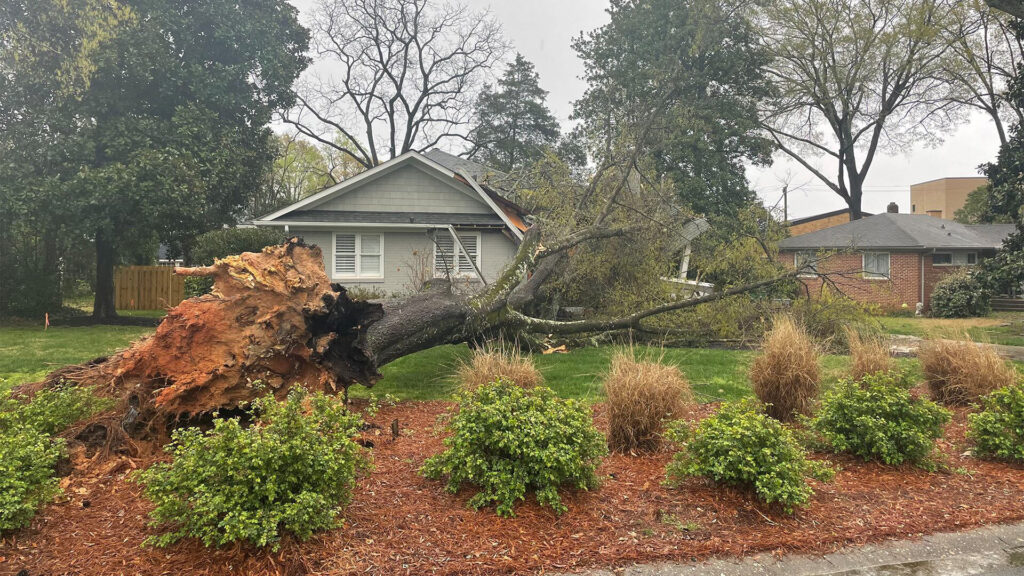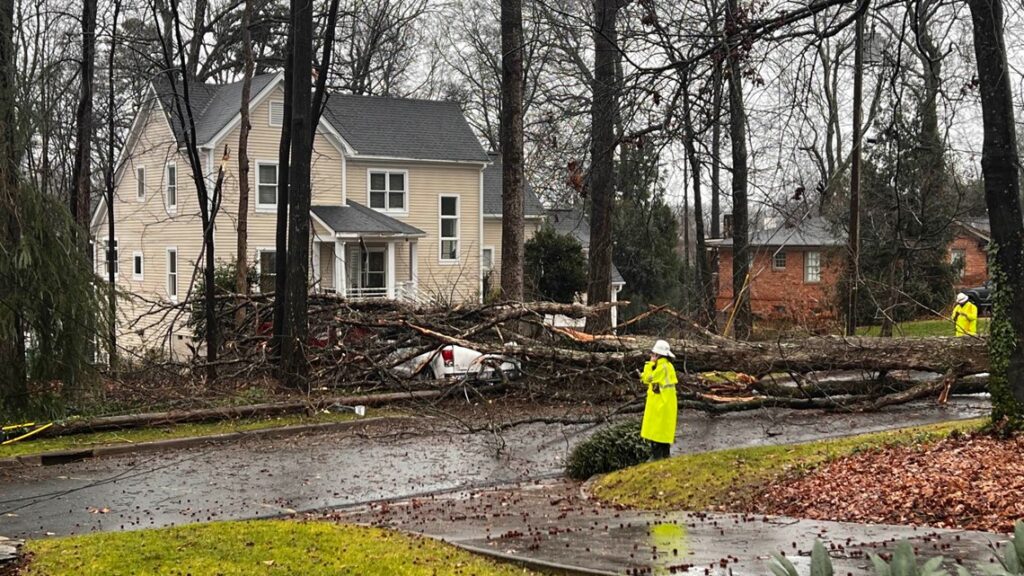
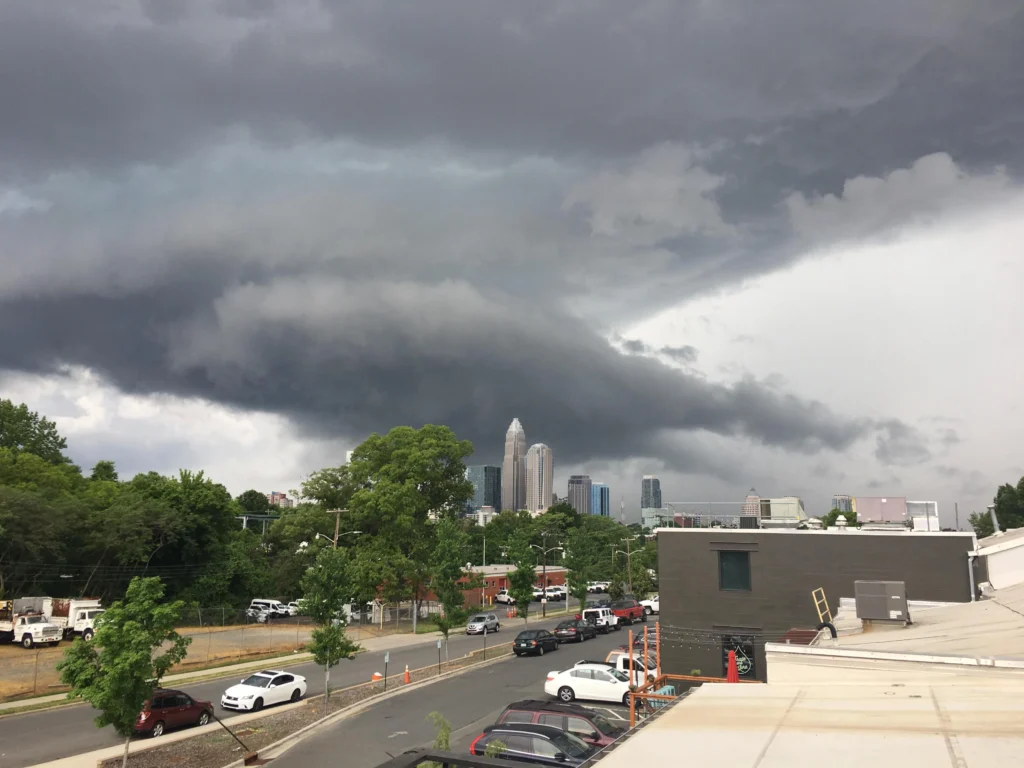
Summer brings longer days, vacations, and outdoor fun—but it also brings the potential for powerful thunderstorms, high winds, hail, heavy rain, and flash flooding. These storms can develop quickly and leave behind significant property damage if you’re not prepared.
Going over these simple steps before severe weather strikes can help protect your family, minimize damage to your home, and make recovery much easier. Here’s what every homeowner should know.
Before the Storm: Prepare Before Severe Weather Arrives
The best time to prepare for a storm is long before one is in the forecast.
Inspect Your Roof
Loose or missing shingles can allow water to enter your home during heavy rain. Have your roof inspected regularly and repair any damage before storm season.
Clean Gutters and Downspouts
Clogged gutters prevent rainwater from flowing away from your home, increasing the risk of roof leaks, foundation issues, and basement flooding.
Trim Trees and Remove Dead Branches
Overhanging limbs can snap during high winds and damage your roof, vehicles, or power lines.
Secure Outdoor Items
Patio furniture, grills, umbrellas, trampolines, and other outdoor items can become dangerous projectiles during strong winds. Secure or store them when storms are expected.
Assemble an Emergency Kit
Your emergency kit should include:
- Flashlights and extra batteries
- Bottled water
- Non-perishable food
- First aid supplies
- Cell phone chargers and portable power banks
- Prescription medications
- Important documents stored in a waterproof container
Review Your Insurance Coverage
Know what your homeowner’s insurance covers before disaster strikes. Take photos or videos of your home’s condition and valuable belongings for documentation.
During the Storm: Stay Safe
When severe weather arrives, your priority should always be protecting yourself and your family.
Stay Indoors
Remain inside and stay away from windows, glass doors, and skylights. Flying debris and hail can cause serious injuries.
Monitor Weather Alerts
Keep a battery-powered weather radio or use a trusted weather app to stay informed about watches, warnings, and emergency updates.
Avoid Floodwaters
Never walk or drive through flooded roads. Just a few inches of moving water can knock someone down or sweep away a vehicle.
Unplug Sensitive Electronics
If it’s safe to do so before the storm intensifies, unplug computers, televisions, and other electronics to help protect them from power surges.
Have a Safe Shelter Plan
If tornado warnings are issued, move to the lowest level of your home and stay in an interior room away from windows.
After the Storm: Assess Damage Safely
Once the storm has passed, use caution while inspecting your property.
Check for Hazards First
Look for downed power lines, gas leaks, damaged electrical systems, and unstable trees. Never approach fallen utility lines.
Document Any Damage
Take clear photos and videos of all visible damage before making temporary repairs. This documentation can help with your insurance claim.
Prevent Further Damage
If it is safe, place tarps over damaged roofs or board up broken windows to keep additional rain from entering your home.
Watch for Water Damage
Even small leaks can quickly lead to mold growth if moisture isn’t removed promptly. Check ceilings, walls, flooring, attics, and crawl spaces for signs of water intrusion.
Contact Restoration Professionals Quickly
Water damage begins affecting building materials almost immediately. The sooner drying and mitigation begin, the better the chances of preventing mold growth and reducing repair costs.
Common Signs Your Home May Have Storm Damage
Even if everything appears normal from the ground, hidden damage can develop after severe weather. Watch for:
- Water stains on ceilings or walls
- Missing or damaged shingles
- Leaking roof or attic
- Wet carpet or flooring
- Musty odors
- Cracked siding or broken windows
- Fallen tree limbs on the roof
- Standing water around your home’s foundation
If you notice any of these issues, it’s important to have your property inspected as soon as possible.
Be Prepared Before the Next Storm
Summer storms are unpredictable, but preparation can make all the difference. By taking preventive steps before severe weather, staying safe during the storm, and acting quickly afterward, you can help protect your home and reduce the risk of costly damage.
If your property experiences storm, wind, or water damage, don’t wait. Quick action can prevent additional damage and help restore your home faster. Having a trusted restoration company ready to respond gives you peace of mind when severe weather strikes.