
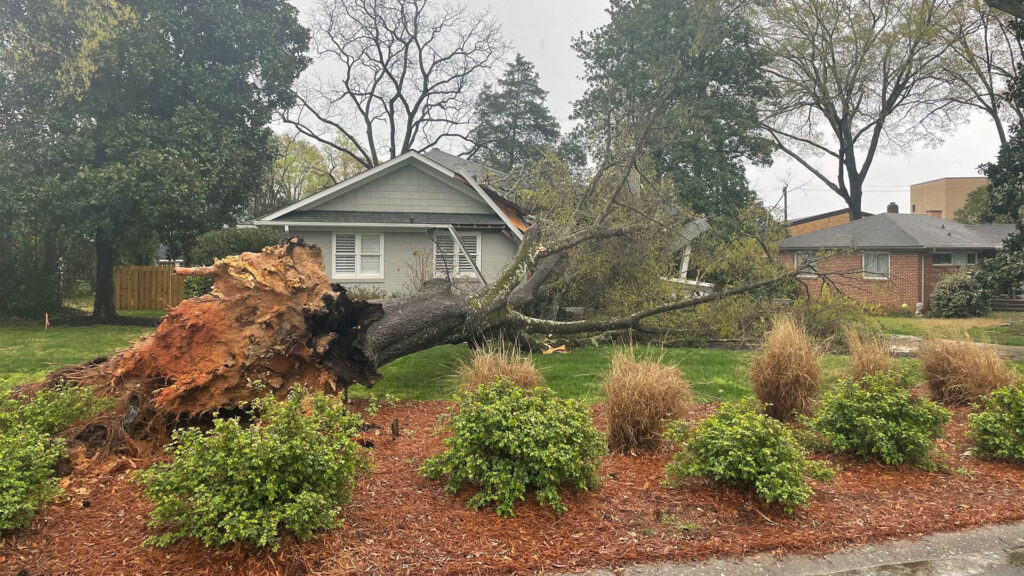
September is National Preparedness Month, making it the perfect time to take a closer look at how prepared you and your home are for an emergency. While severe weather can happen at any time, hurricane season brings an increased risk of heavy rain, flooding, high winds, power outages, and property damage. Taking a few simple steps before a storm arrives can help protect your family, reduce potential damage, and make recovery easier if the unexpected happens.
Why Hurricane Preparedness Matters
Hurricanes don’t just bring strong winds. Depending on the storm, homeowners may also face torrential rainfall, flash flooding, fallen trees, roof damage, power outages, and water intrusion. Even homes that aren’t directly hit by a hurricane can experience significant damage from the effects of the storm. Water entering through a damaged roof, a flooded basement, or a fallen tree breaking through a window can quickly turn into a major restoration project.
The best time to prepare is before the storm is approaching.
Hurricane Preparation Checklist
1. Inspect Your Roof and Gutters
Your roof is one of your home’s first lines of defense against severe weather. Before hurricane conditions arrive, inspect your roof for missing, damaged, or loose shingles and have any issues repaired.
Clean out your gutters and downspouts as well. Clogged gutters can prevent rainwater from properly draining away from your home, increasing the risk of water intrusion and foundation damage.
2. Check Windows and Doors
Make sure your windows and exterior doors close and lock properly. Inspect seals around windows and doors for gaps or damage that could allow wind-driven rain to enter your home.
If you live in an area prone to hurricanes, consider installing storm shutters or impact-resistant windows as an additional layer of protection.
3. Secure Outdoor Items
Strong winds can turn outdoor furniture, grills, decorations, planters, and other loose objects into dangerous projectiles.
Before a storm arrives:
- Bring patio furniture and decorations indoors.
- Secure grills and larger outdoor equipment.
- Trim dead or damaged tree branches.
- Secure trash cans and outdoor containers.
- Move valuable items away from windows.
Taking care of these items ahead of time can help prevent property damage during high winds.
4. Know Your Flood Risk
Heavy rainfall can cause flooding even in areas that don’t typically experience it. Take time to understand your property’s flood risk and identify areas where water could enter your home.
If you have a basement or crawl space, consider whether you need a sump pump and make sure existing pumps are working properly. If your home has a sump pump, having a backup power source can also be valuable during an outage.
5. Protect Important Documents and Valuables
Important documents and irreplaceable items should be stored somewhere safe and protected from water damage.
Consider keeping digital copies of important records such as:
- Insurance policies
- Identification documents
- Property records
- Medical information
- Financial documents
It’s also a good idea to photograph or video your home and belongings before hurricane season. Having a record of your property’s condition can be helpful if you need to file an insurance claim after a storm.
Build an Emergency Kit
Every household should have an emergency kit that can be used if you lose power or are unable to leave your home immediately.
Your kit should include essentials such as:
- Drinking water
- Non-perishable food
- Flashlights
- Extra batteries
- First-aid supplies
- Necessary medications
- Battery-powered or hand-crank radio
- Phone chargers and backup power banks
- Basic tools
- Important documents
- Pet supplies, if applicable
Make sure everyone in your household knows where the emergency supplies are stored.
Have an Evacuation and Communication Plan
Preparedness isn’t just about protecting your property. Make sure your family knows what to do if you need to evacuate.
Discuss evacuation routes, meeting locations, emergency contacts, and where you would go if you couldn’t stay at home. If you have pets, make arrangements ahead of time since not all shelters or hotels accept animals.
Don’t wait until a hurricane is approaching to figure out your plan.
What to Do After a Hurricane
Once the storm has passed, resist the urge to immediately begin cleaning up without first making sure it’s safe to do so.
Watch for downed power lines, structural damage, standing water, gas leaks, and other hazards. If your property has experienced flooding or water damage, address it as quickly as possible.
The longer water remains in a structure, the greater the potential for additional damage and mold growth.
If it’s safe to enter your home, document the damage with photos and videos before beginning cleanup. Contact your insurance company as appropriate and reach out to a professional restoration company to assess the damage.
Be Prepared Before Disaster Strikes
National Preparedness Month is a reminder that preparation shouldn’t begin when a storm is already on the way. A few hours of preparation now can make a major difference when severe weather arrives.
From securing your property to creating an emergency kit and knowing your evacuation plan, taking proactive steps can help you and your family weather the storm with greater confidence.
And if your home or business does experience water, storm, or other property damage, Emergency Restoration Xperts is here to help you get back on your feet.
Don’t wait until disaster strikes to make a plan. Prepare today, stay informed, and know who to call when you need help.