
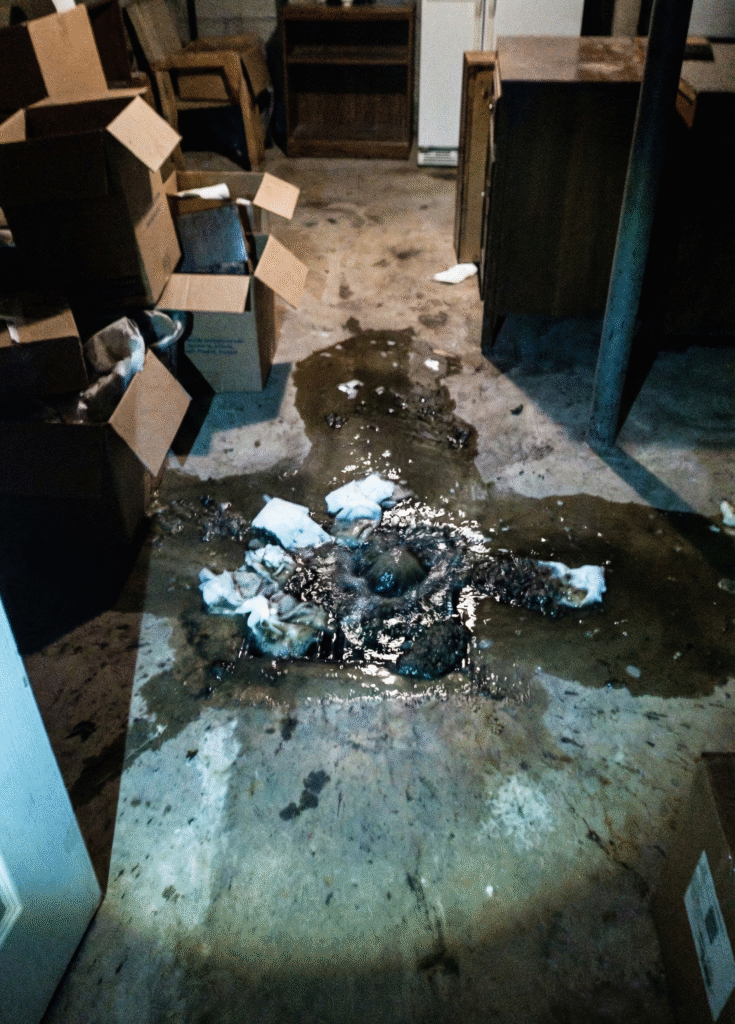
Walking into your basement or bathroom to find a sewage backup is an immediate nightmare. The smell hits you first, followed quickly by a wave of disgust and panic. Once the initial shock wears off, two major questions usually bubble to the surface. Is my family safe? And how much is this going to cost to fix?
These are fair questions. A sewage backup is one of the most complex, dangerous, and expensive types of water damage a property owner can face. When you start searching online for “sewage cleanup cost,” you will find a wide range of numbers, estimates, and calculators. The frustrating reality is that no website can give you an exact quote without seeing the damage.
At Emergency Restoration Xperts (ERX), we handle these hazardous situations daily. We know that homeowners are worried about the financial impact. While we cannot provide a flat rate over the phone without an inspection, we believe in transparency. It is important for you to understand the critical factors that drive the price of professional cleanup and, more importantly, the urgent mistakes that can double or triple that cost in the long run.
Here is a breakdown of what goes into pricing a sewage cleanup job and why cutting corners is never worth the risk.
Why Sewage Cleanup Is Different Than Regular Water Damage
Before discussing price tags, it is crucial to understand what you are dealing with. In the restoration industry, water is categorized by its level of contamination.
A burst water pipe supplying clean drinking water is Category 1. It is annoying, but not immediately toxic.
A sewage backup is Category 3 water, often referred to as “black water.” According to industry standards and the EPA’s classification of water damage, this is grossly contaminated water that contains human waste, pathogens, heavy metals, and potentially millions of types of bacteria, viruses, and parasites. Exposure to Category 3 water can cause serious, long-term illnesses like Hepatitis, E. coli, and Salmonella.
Because of this severe health risk, cleaning up sewage is not a standard water damage job. It is a biohazard situation. It requires specialized personal protective equipment (PPE) for the technicians, specific containment protocols to prevent cross-contamination to other parts of the house, and industrial-strength disinfectants that are much stronger than household bleach. The cost reflects the specialized training, equipment, and risk involved in handling hazardous materials safely.
Critical Factors That Determine the Final Price
Since every backup is unique, pricing varies significantly from one job to the next. When an ERX technician arrives on-site for an assessment, these are the primary variables they evaluate to determine the scope and cost of the project.
1. The Extent of the Affected Area This is the most obvious factor. A minor toilet overflow that is contained to a small tiled bathroom floor will cost significantly less than a main sewer line backup that floods an entire finished basement with two inches of waste. The larger the square footage affected, the more labor, equipment, and disinfectant are required to make the area safe again.
2. The Types of Materials Affected (Porous vs. Non-Porous) This is perhaps the biggest cost driver. Sewage reacts differently depending on what it touches.
- Non-Porous Surfaces: Materials like concrete floors, ceramic tile, and porcelain toilets can usually be thoroughly cleaned, disinfected, and saved. This involves labor but less replacement cost.
- Porous Surfaces: Materials that absorb water cannot be salvaged once touched by raw sewage. This includes carpet, carpet padding, drywall, baseboards, insulation, and upholstered furniture. There is no way to guarantee these items are 100% free of pathogens after exposure. Therefore, the industry standard is cutting out and removing these materials. The cost involves labor for demolition, fees for hazardous waste disposal, and eventually, the cost of replacing those materials.
3. Difficulty of Access Where did the backup happen? A wide-open unfinished basement with a concrete floor is relatively easy for our crews to access and clean. However, a sewage backup in a tight crawlspace with a dirt floor is incredible labor-intensive. Technicians must crawl on their hands and knees in full protective gear in confined spaces to remove contaminated soil and sanitize the framing. Difficult access significantly increases labor hours and the overall cost.
4. The Duration of the Exposure Time is money in restoration. If a sewage leak is found immediately, the damage might be minimized. If a backup occurs while you are on vacation and sits for a week, the sewage has time to seep deeper into subfloors and framing joints. Furthermore, the longer the moisture sits, the higher the risk of secondary mold growth, which adds another layer of expensive remediation to the project.
The Most Urgent Mistake: Attempting a DIY Cleanup
When faced with an unexpected expense, the natural instinct for many homeowners is to try and handle it themselves to save money. When it comes to sewage, this is the single most dangerous and costly mistake you can make.
The Health Risk is Too High: Standard rubber gloves and a paper mask from the hardware store offer virtually no protection against airborne pathogens or direct contact with raw sewage. You risk contracting serious illnesses, and you also risk tracking bacteria from the affected area into your kitchen, bedrooms, and living spaces on your shoes and clothes.
Household Cleaners Are Not Enough: Pouring bleach on sewage is ineffective. Bleach is quickly inactivated by organic matter (the waste itself). You might kill some surface bacteria, but you are not sanitizing the porous materials underneath. Furthermore, mixing bleach with other common household cleaners, like ammonia which is often found in urine, can create toxic fumes.
Missing Hidden Contamination: You might be able to mop up the visible mess on the floor, but you do not have the tools to see where the sewage water migrated. It frequently wicks up behind baseboards and into the drywall several inches above the visible water line. If this is not cut out and removed, that trapped sewage will continue to breed bacteria and will inevitably lead to a massive mold infestation inside your walls.
We frequently get calls from homeowners weeks after they tried a DIY cleanup because the smell won’t go away or black mold has started growing up their walls. At that point, the restoration cost is often triple what it would have been if it was handled correctly the first time.
Does Insurance Cover Sewage Backups?
This is the million-dollar question. The answer is: generally, yes, but it depends on your specific policy.
Many standard homeowners insurance policies do not automatically cover water damage caused by a backup of an outside sewer or drain line. However, most insurance companies offer a specific “sewer backup rider” or endorsement that you can add to your policy for a relatively low annual cost.
If you have this coverage, your insurance will typically pay for the professional cleanup, sanitation, and drying of the structure, as well as the replacement of damaged items like drywall and carpet, minus your deductible. ERX works directly with all major insurance carriers to provide the documentation and photos needed to process your claim smoothly.
Final Thoughts: Prioritize Safety Over Cost
A sewage backup is a crisis. It is natural to worry about the cost, but this is one situation where price-shopping for the cheapest option or attempting it yourself can have devastating consequences for your health and your home’s long-term value.
When you hire a certified professional team like ERX, you are not just paying for cleaning. You are paying for the assurance that your home is certified safe, pathogen-free, and structurally dry.
If you are dealing with a sewage backup, do not enter the area and do not wait. Call Emergency Restoration Xperts (ERX) immediately. We are available 24/7 with the right equipment and training to handle biohazard situations safely and discretely.
Reach us anytime at (828) 639-8208 for immediate emergency response.